 blog
What Are the Keys to a Successful Luxury Home Renovation?
Last Updated: November 4, 2026
Quick Summary
The keys to a successful luxury home renovation are a written scope of work signed before construction, a budget built from defined cost buckets with a 10-15% contingency fund, and a timeline sequenced backward from long-lead custom items. Verify references, insurance, and change-order terms before hiring your contractor.
- Write down goals, list every room, and get the scope signed before construction starts.
- Set aside 10-15% contingency for unexpected costs and keep it separate from allowances.
- Build the timeline backward from long-lead items like custom windows, cabinetry, and stone.
- Ask who will be on site daily and how change orders are priced before signing.
- Decide early whether you will stay in the home or move out during construction.
Table of Contents
- Start With a Clear Vision and a Written Scope of Work
- Build a Luxury Home Renovation Budget That Survives Construction
- Map a Luxury Renovation Project Timeline Around Long-Lead Items
- How to Choose a Luxury Home Remodeling Contractor
- Luxury Home Renovation Mistakes That Blow Budgets and Deadlines
- Plan for Living Through It: Staying In vs. Moving Out
- Preserve Character, Add Performance: Smart, Efficient, and Resilient Upgrades
- Get a Free Quote and Lock In Your Fixed-Price Plan
- Frequently Asked Questions
Start With a Clear Vision and a Written Scope of Work
A successful luxury home renovation begins with a written scope, not a mood board. According to the 2026 U.S.
A written scope fixes the problem of a vision that lives only in someone's head. It lists every room, every finish, and every decision made before a hammer swings.
A luxury home renovation is a high-investment remodel that combines custom design, premium materials, and detailed project management. Because custom design, premium materials, and detailed coordination must work together, clear planning is essential to manage luxury renovations without losing sight of the finished home.
So start here:
- Write down your renovation goals in plain language
- List every room and every function it must serve
- Name the finishes and materials you want, room by room
- Get the scope signed before construction starts
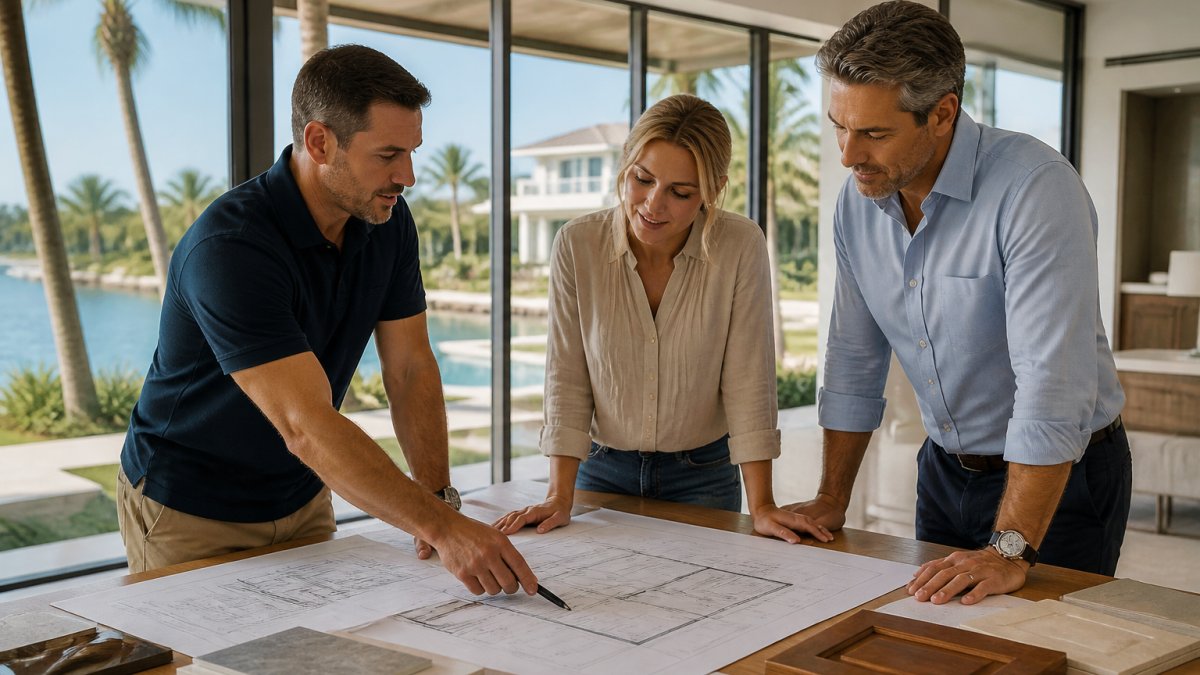
Turn the Vision Into a Detailed Plan Before Construction
Plans turn ideas into decisions. Design professionals translate your vision into drawings, and a detailed plan assigns a decision to every line item. Skip this step and you will make expensive choices under pressure later.
We use 3D design planning so homeowners can see a kitchen or bathroom before demolition begins. The plan also sets your scope of work, which becomes the backbone of the budget and schedule.
Build a Luxury Home Renovation Budget That Survives Construction
A luxury home renovation budget survives construction when it is built as a set of cost buckets with explicit rules, not a single number. Projects often exceed their budgets when allowances, contingency, and change-order pricing are not defined before signing.
Here is how we structure a budget that holds up:
- Hard costs: labor, materials, permits, and equipment
- Soft costs: design fees, engineering, and project management
- Contingency fund: set aside 10-15% for unexpected costs
- Owner allowances: custom furniture, lighting, and décor chosen later
- Escalation reserve: a separate line for price increases between contract signing and procurement
That last two lines matter. Allowances are where budgets quietly break, and escalation is where they break silently.
Where the Money Actually Goes: Finishes, Custom Orders, and Contingency
High-end materials and custom upgrades absorb more of the budget than most owners expect.
Three cost drivers separate a luxury budget from a standard one:
- Finish level. Moving from builder-grade to custom millwork, natural stone, and designer fixtures typically multiplies finish costs rather than adding a fixed premium. The same square footage can carry very different budgets depending on specification.
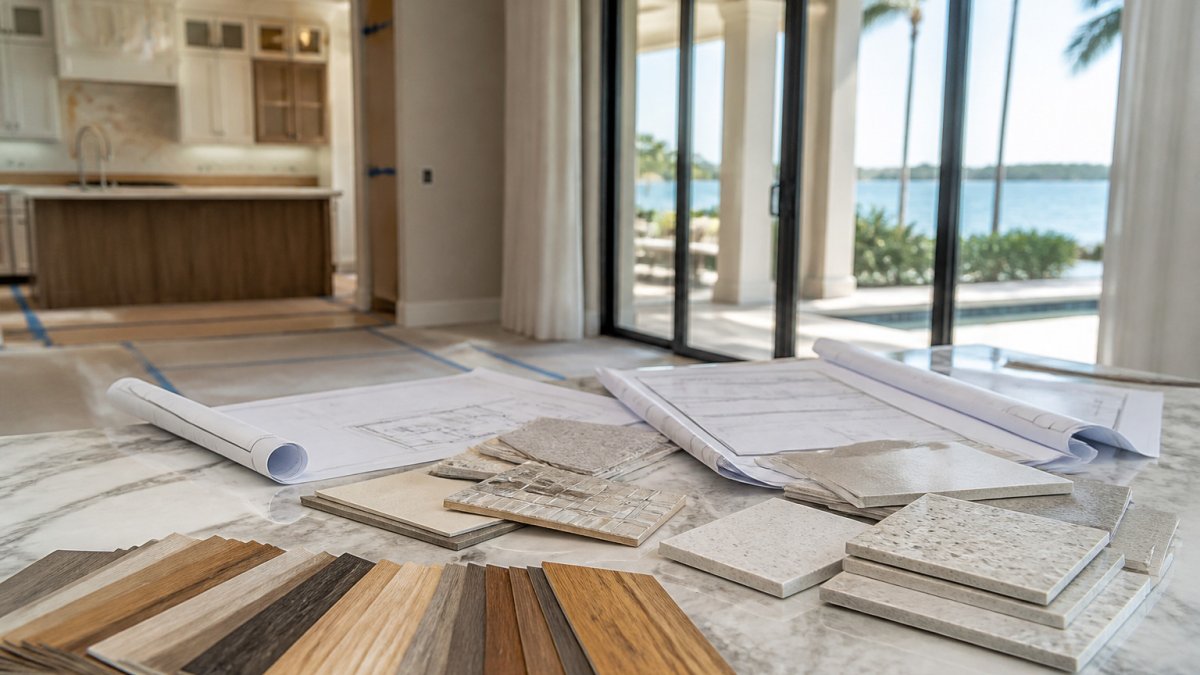
- Custom versus semi-custom. Fully custom cabinetry, fabricated stone, and specialty metals are priced per project and quoted after site measurement, so they cannot be locked at the design stage. Semi-custom lines carry published price books and shorter lead times.
- Structural and systems work. Moving walls, upgrading electrical service, replacing HVAC, or adding a generator is priced by trade and often discovered after demolition. Budget a discovery allowance for any home older than roughly 30 years.
Allowances deserve their own rule.
Watch out: a contingency drawn down in the first third of construction is a signal that the scope was under-defined, not that the project is unlucky.
For a deeper walkthrough of line items and allowances, see our guide on how to budget for a luxury renovation.
Here is how we structure a budget that holds up.
| Cost bucket | What it covers | Note |
|---|---|---|
| Hard costs | Labor, materials, permits, and equipment | , |
| Soft costs | Design fees, engineering, and project management | , |
| Contingency fund | Unexpected costs | Set aside 10-15% |
| Owner allowances | Custom furniture, lighting, and décor chosen later | Set at intended spend, not a placeholder |
| Escalation reserve | Price increases between contract signing and procurement | Separate line item |
Map a Luxury Renovation Project Timeline Around Long-Lead Items
Build the project timeline backward from your long-lead items. Custom windows, cabinetry, and stone can take months to arrive, and no construction schedule survives if those orders start late. Sequence them first, then build the calendar around delivery dates.
A realistic timeline includes:
- Design and permitting
- Procurement and custom orders
- Demolition and rough-in
- Finishes and installation
- Final walkthrough and punch list
Phasing helps when you cannot move out. It also stretches the calendar.
Phasing, Permits, and the Weeks Nobody Plans For
Permits and building codes add weeks that never appear on a mood board. Plan review, inspections, and revisions all take time.
Watch out: ordering finishes before permits clear is the fastest way to buy materials you cannot install on time.
If schedule overruns worry you, our breakdown of penalty clauses for construction delays explains how to protect yourself in writing.
How to Choose a Luxury Home Remodeling Contractor
Choose a luxury home remodeling contractor by verifying references, contract terms, and who actually runs the job. Ask three questions before anything else: Who will be on site daily?
Those questions filter out most of the field. The rest of the decision comes down to a documented review of the firm's portfolio, references, insurance, licensing, and contract language.

Luxury Home Renovation Mistakes That Blow Budgets and Deadlines
The most expensive luxury home renovation mistakes are predictable. They cluster around unclear scope, late decisions, and skipped contingencies. Here are the ones we see most:
- Starting construction before the scope is signed
- Choosing finishes after demolition begins
- Skipping the contingency fund to stretch the budget
- Ordering custom items without confirming lead times
- Hiring on price alone and ignoring workmanship
Each mistake compounds. A late finish choice delays installation, which delays inspection, which delays move-in. Quality over quantity applies to decisions too. Fewer, earlier decisions beat many late ones.
Plan for Living Through It: Staying In vs. Moving Out
Decide early whether you will live in the home during renovation or relocate. Staying in saves rent but slows the work and adds stress. Moving out costs money but shortens the construction schedule and protects your sanity.
Consider these trade-offs:
- Stay in: phased work, dust control, and longer timelines
- Move out: faster sequencing and cleaner execution
- Partial move: stay for early phases, leave for demolition and finishes
For high-rise and condo owners, HOA rules often decide this for you. We coordinate with HOAs for high-rise and condo projects.
Preserve Character, Add Performance: Smart, Efficient, and Resilient Upgrades
Preserving architectural character while modernizing is the mark of a well-run luxury renovation. You can add smart-home systems, energy-efficient systems, and resilience upgrades without erasing what makes the home distinctive.
Our approach:
- Keep original trim, millwork, and structural details where possible
- Update wiring, plumbing, and HVAC behind the walls
- Add layered lighting that respects the original design
- Choose smart systems that fit the home, not fight it
A whole-home renovation often makes more sense than phased work.
Get a Free Quote and Lock In Your Fixed-Price Plan
The hardest part of a luxury home renovation is not the design. It is trusting that the price and schedule will hold once construction starts.
Accent Construction & Remodeling offers fixed-price contracts for most projects under $1.5 million, owner-led project management from John Pelland, and 3D design planning. We also coordinate HOA requirements for condo and high-rise work.
See what our home renovations service covers, or start a conversation about your project and get a free, no-obligation consultation.
Get started with Accent Construction & Remodeling and lock in a fixed-price plan you can build on.
Frequently Asked Questions
What is the 30% rule for home renovation?
The 30% rule is a budgeting guideline that sets aside roughly 30% of your project cost as a cushion for surprises. It is not a legal standard, and luxury projects often need it because high-end materials, custom orders, and hidden structural issues carry more risk than standard finishes. A fixed-price contract covers most of the scope, but you still want a contingency fund for upgrades you choose mid-project, unknown conditions behind the walls, and lead-time substitutions. Treat the 30% as your own reserve, not as money the contractor should spend.
How long does a luxury home renovation take?
A luxury renovation project timeline depends on scope and procurement more than labor. A single high-end bathroom can run several weeks, while a whole-home renovation with custom cabinetry, imported stone, and specialty lighting can stretch across many months. The biggest driver is long-lead items: custom furniture, millwork, and appliances often arrive weeks after the construction schedule expects them. Build the schedule around confirmed delivery dates, not showroom estimates, and add buffer for permit review. Ask your contractor for a written construction schedule with phase-by-phase dates.
How much should you budget for unexpected renovation costs?
Set aside a contingency fund separate from your finish selections, and size it to the age and complexity of the home. Older waterfront properties and high-rise units often hide plumbing, electrical, or structural conditions that only appear after demolition. Keep the reserve in your own account so you control it, and require written change orders before any extra work begins. A contractor who quotes a fixed price for the defined scope and documents every change keeps the unexpected portion visible instead of letting it arrive as a surprise invoice.
How do you choose a contractor for a luxury renovation?
Verify the license and insurance first, then ask who will actually run the job site every day. Request references from projects at a similar finish level and call them about schedule, communication, and how change orders were handled. Read the scope of work line by line and confirm what the contract excludes. Ask whether pricing is fixed or cost-plus, what penalties apply if deadlines slip, and how the contractor coordinates with HOAs on condo and high-rise work. A 3D design plan before construction also shows whether the builder can translate your vision into something buildable.